





3 reasons to visit the Pueblos Mágicos
Today, let’s set off together to discover the Pueblos Mágicos! Mexico offers numerous tourist destinations, and these authentic villages are particularly ideal for exploring local history. Regardless of which region of Mexico you wish to travel to, an excursion to one of these mythical villages is highly recommended. In this article, we will introduce you to what defines the Pueblos Mágicos and reveal our top 3 reasons to set off and discover these places. Happy reading!
First of all, what is a "pueblo mágico"?
Comparable to the most beautiful villages in France, the Pueblos Mágicos highlight small Mexican towns that are worth the detour. Indeed, conceived in 2001 by the Mexican government via the Secretariat of Tourism, this initiative recognizes localities that have preserved their cultural value and heritage despite modernity. These villages, characterized by their symbolic attributes, legends, and sociocultural expressions, are not necessarily the most famous, but they stand out through the conservation of their traditions and heritage.
To join this program, villages must meet strict criteria and possess the necessary infrastructure to offer a comfortable and memorable experience to visitors. The program grants them a budget to improve infrastructure, preserve traditions, and promote local festivals. Currently, 177 villages are recognized as Pueblos Mágicos, illustrating the diversity and cultural richness of Mexico.
Now that you have a little overview of what defines the Pueblos Mágicos, let us give you 3 reasons why you should visit these magnificent villages…

Reason no. 1: admiring the architecture and beauty of the landscapes
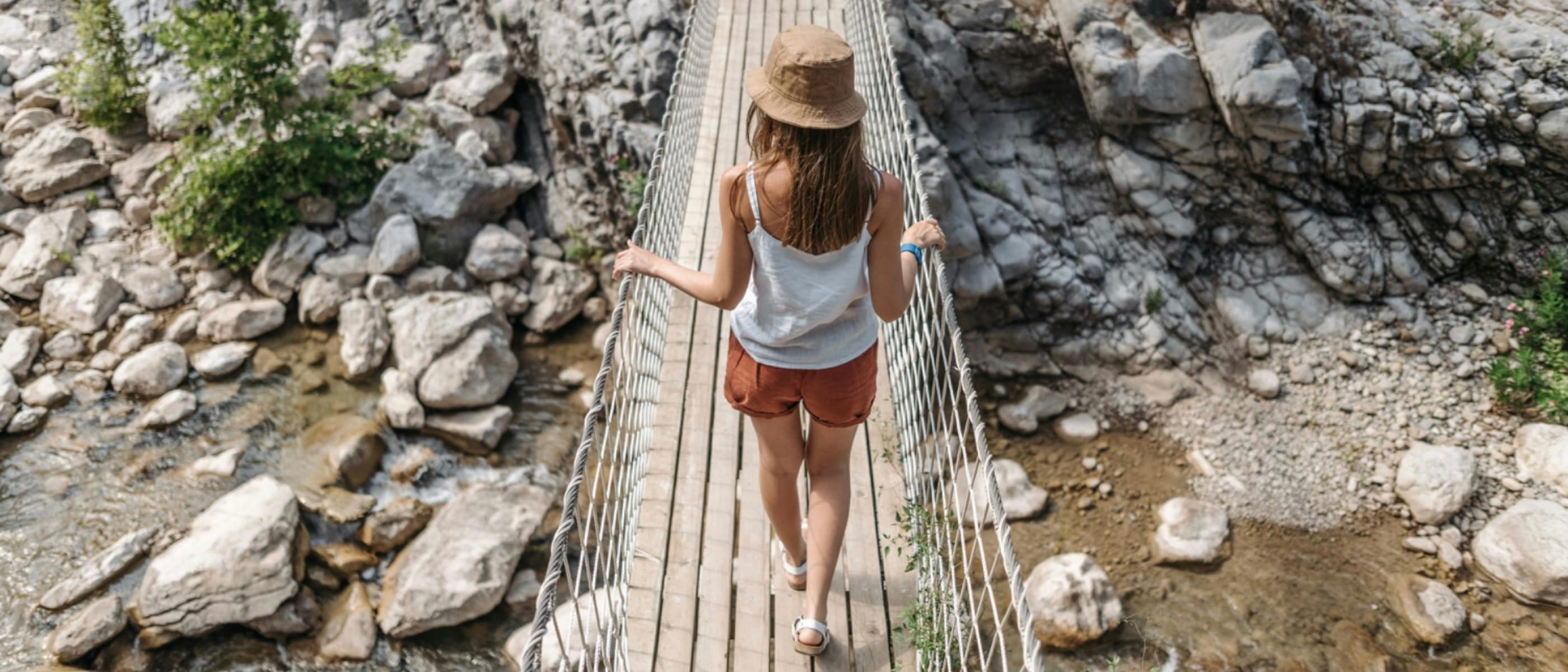
The Pueblos Mágicos stand out for their colonial architecture and breathtaking natural landscapes. Whether in the heart of the mountains or by the sea, there is something for everyone!
By exploring these villages, you will discover beautiful cenotes as well as majestic waterfalls. For example, Bacalar with the cobalt-blue Cenote Azul and the 100-meter-deep Cenote Negro, ideal for diving. Loreto and Sayulita, for their part, offer magical experiences with blue whale watching and a rich marine life that make these coastal pueblos magical places.
Tulum seduces with its pristine beaches, crystalline waters, and magnificent cenotes, such as the Gran Cenote, perfect for swimming. Not far from Tequila, the Sumidero Canyon, the El Chiflón waterfalls, and the Lagunas de Montebello offer natural wonders that you will remember for a long time. In Comitán, the Chukumaltic cenote is another natural gem not to be missed. Todos Santos, with its surrounding beaches ideal for surfing, offers spectacular sunsets over the Pacific Ocean.
For fans of hiking and mountainous landscapes, Mexico is a top destination. You will have, for example, very beautiful walks to do in Tepoztlán with its national park trails and the Prensa de la Concepción lake. In Coscomatepec, visitors can admire the stunning view of the majestic Pico de Orizaba volcano. Mexico also has impressive canyons like in Creel, surrounded by the Barranca del Cobre (Copper Canyon), where you can also see Lake Arareko and the Valleys of the Monks, which makes it an exceptional natural destination. The village of Bernal, famous for its monolith Peña de Bernal, also offers spectacular hikes with stunning views.
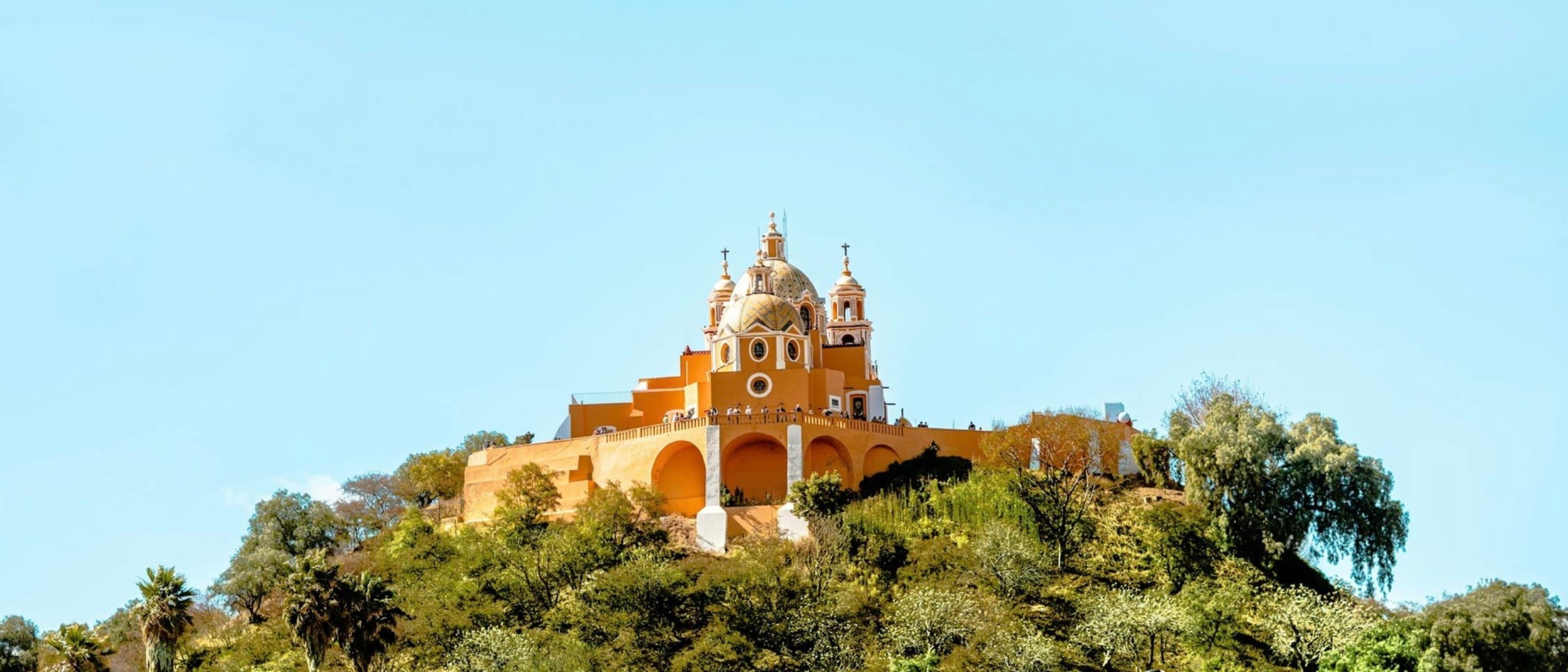
Mexico's historical and architectural heritage is remarkably rich, notably thanks to the Mayan ruins, pyramids, and ancestral temples. The village of Izamal, nicknamed the yellow city for its colorful buildings, houses the monastery of San Antonio de Padua. Teotihuacan is famous for its major archaeological sites, including the temple of Quetzalcoatl and the pyramids of the Sun and the Moon. Tulum, in addition to its paradisiacal beaches, houses a major archaeological site with Mayan ruins and is located near the Sian Ka’an Biosphere Reserve. San Miguel de Allende (which is part of our selection of kid-friendly destinations) offers a journey into the past with its colonial architecture. Tequila seduces with its colonial charm, its ancient churches like that of Santiago Apóstol, and its blue agave fields inscribed as a UNESCO World Heritage site.
All these examples testify to the rich Mexican culture, and wandering through these villages will undoubtedly make you discover the real Mexico! If you wish to continue the journey and discover other places located in Mexico, it's this way)

Reason no. 2: immersing yourself in the heart of the country's history and culture
The Pueblos Mágicos are famous for their rich history and fascinating Mexican culture. Mexico, steeped in an ancient indigenous culture, is the land of the Aztecs and Mayans, also known as the Mexicas. These civilizations left behind splendid cities and archaeological sites, witnesses to a fabulous history. For example, San Cristóbal de las Casas is a city where the indigenous population lives in a traditional way, making these places the cultural capital of Chiapas.
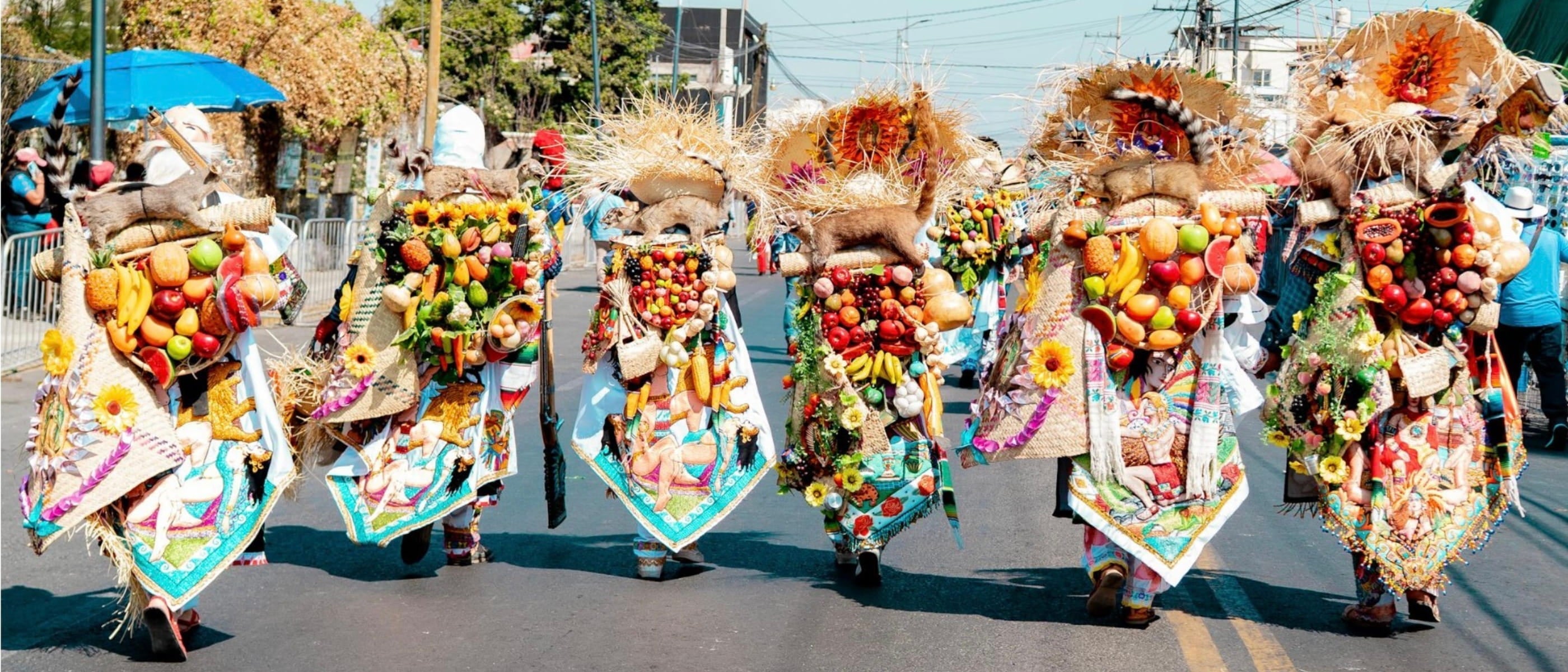
These villages also offer very beautiful museums like the House of Culture and the museum of Zacatlán, or the archaeological museum of Mascota, which reveal the treasures of Mexico's pre-Hispanic history. The influence of the Spanish colonial era is palpable in the architecture and traditions of the Pueblos Mágicos. You can attend numerous celebrations, national festivals, religious holidays, and local cultural events. Important holidays like Independence Day, the Day of the Dead, and the Day of the Virgin of Guadalupe are unmissable. Mexicans celebrate Labor Day on May 1st just like us and have a celebration on May 5th that commemorates the great Battle of Puebla, when the peasants and indigenous people of Mexico defeated the French invaders. Unique events like cockfights, Lucha Libre, and the Danza de los Voladores (an ancient Mesoamerican ritual consisting of a dance and climbing a 30-meter pole) show the diversity of the traditions. You also shouldn't miss the famous Guelaguetza festival, also called "Mondays of the Hill" (los lunes del Cerro), which is a tribute to the cultural diversity of Mexico.
Mexico has a rich mining history, particularly in the extraction of silver, linked to the Spanish conquest and independence. Cities like Taxco, where the National Silver Festival takes place, and Pachuca have prospered thanks to these mines. Coffee is another important product of the country. Indeed, Mexico is an important producer of coffee, mainly Arabica, grown primarily in the coastal regions of Soconusco, in Chiapas. The introduction of coffee to Mexico dates back to the Spanish settlers in the late 1700s. Despite various historical, political, and environmental challenges, the Mexican coffee industry has thrived. Cities like Coatepec are, moreover, emblematic of the coffee culture in Mexico, offering an immersion into its history and cultural richness. The country also values sustainable and fair trade practices, supporting small-scale farmers and promoting a culture of quality coffee.

Reason no. 3: discovering local crafts and traditions
Mexico is rich in high-quality crafts, as illustrated by Mapache creations. Mexican artisans are very talented in several fields. In the Pueblos Mágicos, you will find, for example, pottery (like Talavera, the blue and white pottery of Puebla), jewelry, and goldsmithing works, a reflection of the country's mining history. It is the opportunity to head back with some souvenirs such as clothing, accessories, and everyday objects. Furthermore, local markets and small shops are overflowing with these artisanal treasures that will allow you, notably, to decorate your interior.
Art is also well represented in the Pueblos Mágicos. For example, in Bernal, the Mask Museum exhibits 300 masks evoking local rituals and legends. In Xico, the Museum of the Dress (Museo del Vestido) presents over a thousand dresses donated to Santa María Magdalena. In Zacualpan, near Comala, you will discover the workshops for making embroidered blankets or Quechquemitl (a triangular shawl). In Chignahuapan, the manufacturing of blown-glass Christmas ornaments is an artisanal tradition, while in Taxco, the *platerías* (silver shops) and the old mines transformed into museums are unmissable.
The Pueblos Mágicos are also an opportunity to discover new flavors. Each village offers typical dishes, desserts, and drinks. In Xico and Coatepec, savor authentic Mexican coffee and try the Café de Olla, a coffee spiced with cinnamon and piloncillo. We also advise you to taste the *champurrado*, highly appreciated in Mexico, which is a mixture of hot chocolate and coffee, enriched with corn dough, milk, water, and cinnamon. This comforting beverage is generally enjoyed during festive occasions. In Bernal, taste the *gorditas*, tortillas stuffed with chicharrón, cheese, or beans. In Tequila, explore the distilleries and discover the manufacturing process of this emblematic alcohol.
As you will have understood, the Pueblos Mágicos aim to promote towns offering visitors a magical experience. This initiative allows residents to make a living through tourism, boosting the local economy and creating numerous jobs, which we support at Mapache. It recognizes the work of locals and preserves cultural and historical richness. These magical villages make cities and ethnic groups that compose the collective imagination known, thus offering an authentic, warm, and varied image of Mexico!